The Best Fabrics for Dance Costumes
Choosing the right fabric is one of the most important decisions in designing a dance costume. The fabric affects how the costume moves, how it photographs, and how comfortable it is to perform in.
Top Fabrics by Dance Style
Jazz & Hip Hop: Stretch Velvet & Sequin Fabric
Stretch velvet is the workhorse of jazz costumes — it has excellent stretch, drapes beautifully, and photographs with rich depth. Sequin fabric adds sparkle and catches stage lighting dramatically.
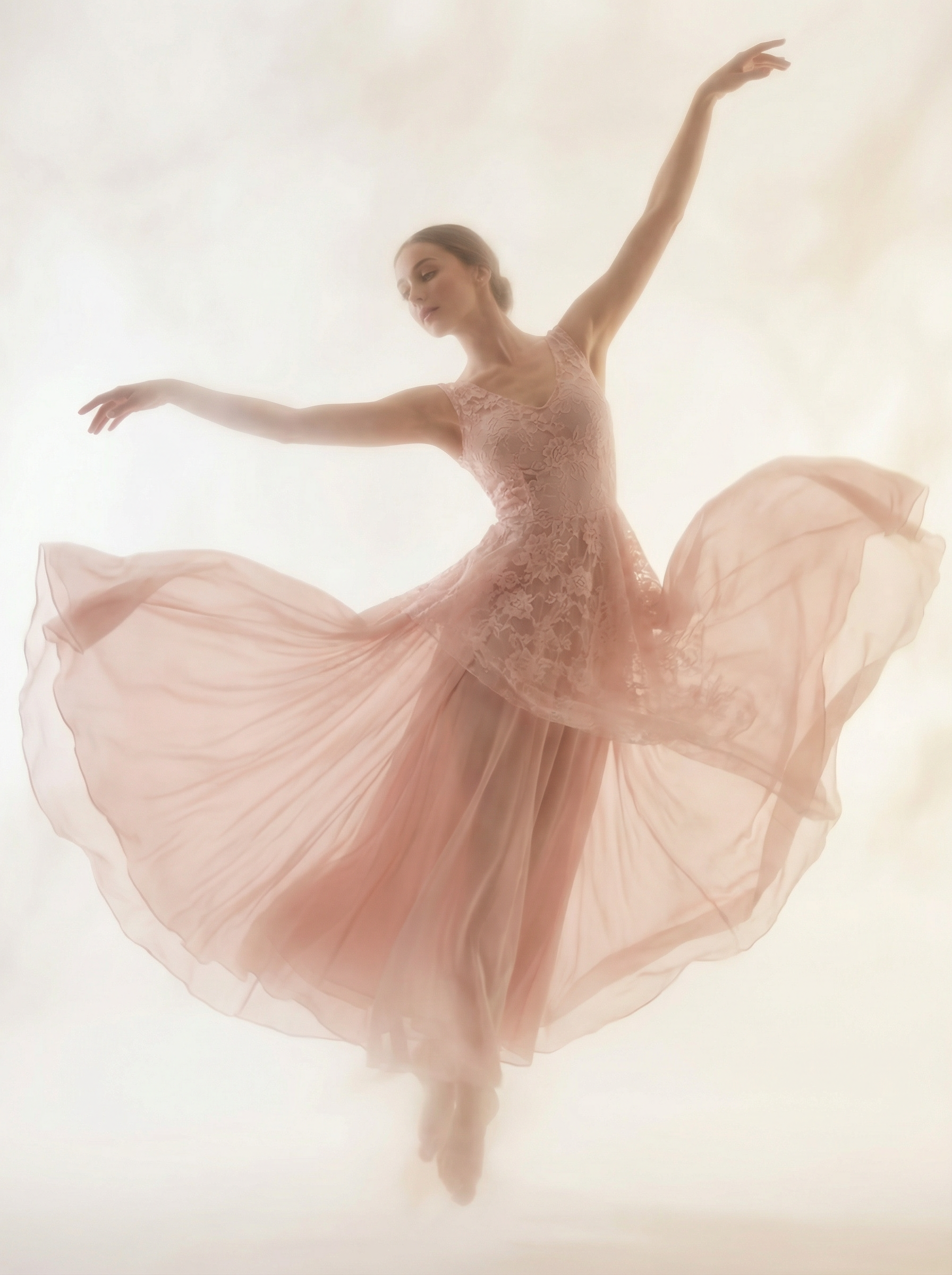
Lyrical & Contemporary: Chiffon & Georgette
These lightweight, flowing fabrics create the ethereal movement quality that lyrical dance requires. Chiffon is lighter and more transparent; georgette is slightly heavier with more drape.
Ballet: Tulle & Silk
Classical tutus use multiple layers of tulle for structure and volume. Silk or satin is used for the bodice for its luxurious appearance and comfortable feel against the skin.
Ballroom & Latin: Stretch Velvet, Mesh & Lycra
Ballroom gowns combine structured velvet with flowing mesh panels. Latin dresses use high-stretch lycra blends that move with every hip action.
Key Properties to Consider
| Property | Why It Matters |
|---|---|
| Stretch % | Must accommodate full range of motion |
| Weight | Affects how fabric moves and drapes |
| Opacity | Important for stage lighting and photography |
| Durability | Costumes must survive multiple performances |
| Care requirements | Easy care is important for competition travel |
Professional Tips
- Always test stretch before cutting. A costume that restricts movement is a liability on stage.
- Consider stage lighting — some fabrics look different under bright stage lights vs. natural light.
- Layer strategically — combining a structured base with flowing overlay creates visual interest and movement.